Visualizing the Invisible
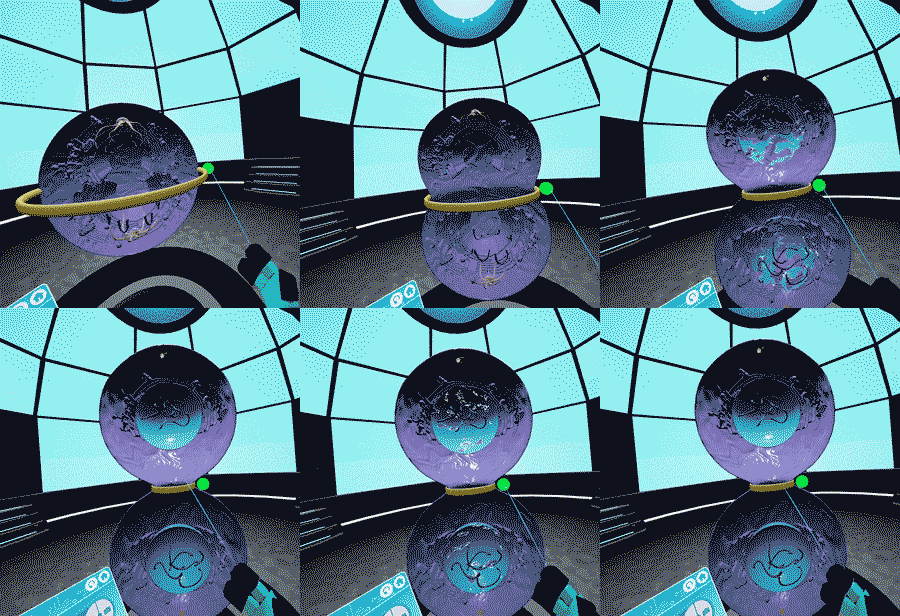
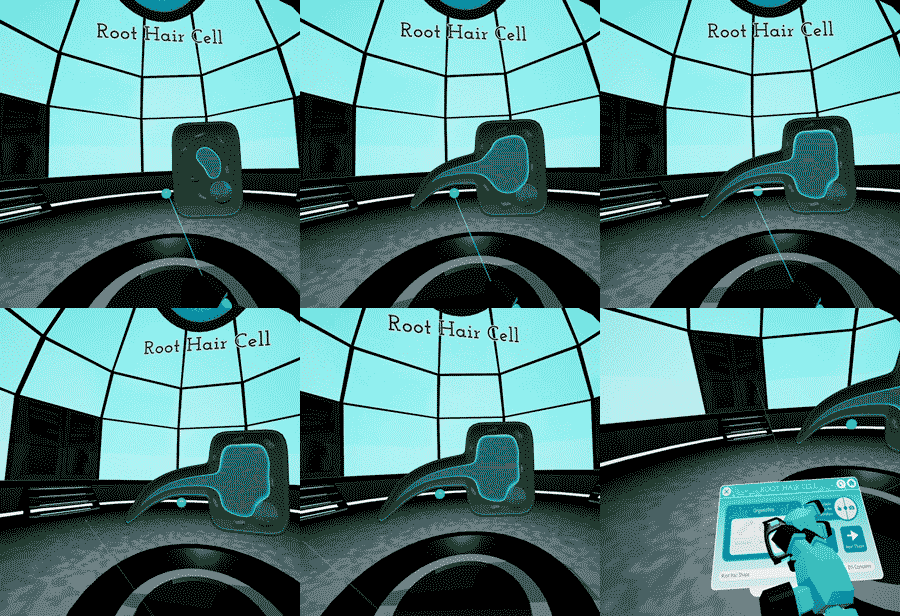
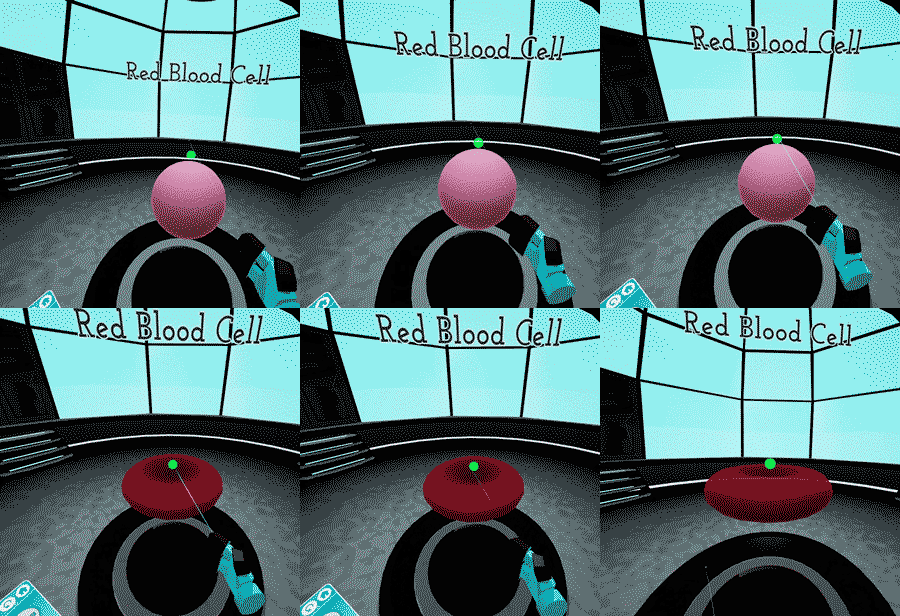
To make the microscopic world feel grounded, I moved beyond simple modeling. I built a library of 3D assets and animations - from mitochondria to the cell membrane - designed to accurately represent what exists under a microscope.
- The Workflow: I utilized a high-precision pipeline between Maya and Unreal Engine, heavily focused on Physically Based Rendering (PBR).
- The Result: This approach gave the cellular environment a "tangible" quality, using realistic materials and light behavior to help students distinguish between different organic structures.
Building Functional Prototypes in Unreal Engine
My role extended into the technical architecture of the experience, bridging the gap between static art and interactive education.
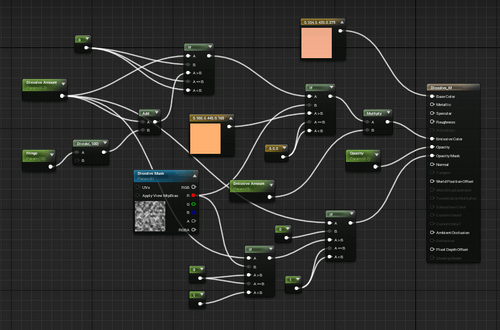
- Interactive Shaders: I developed custom shaders to simulate the translucent, fluid nature of cellular matter, ensuring the environment felt alive and responsive.
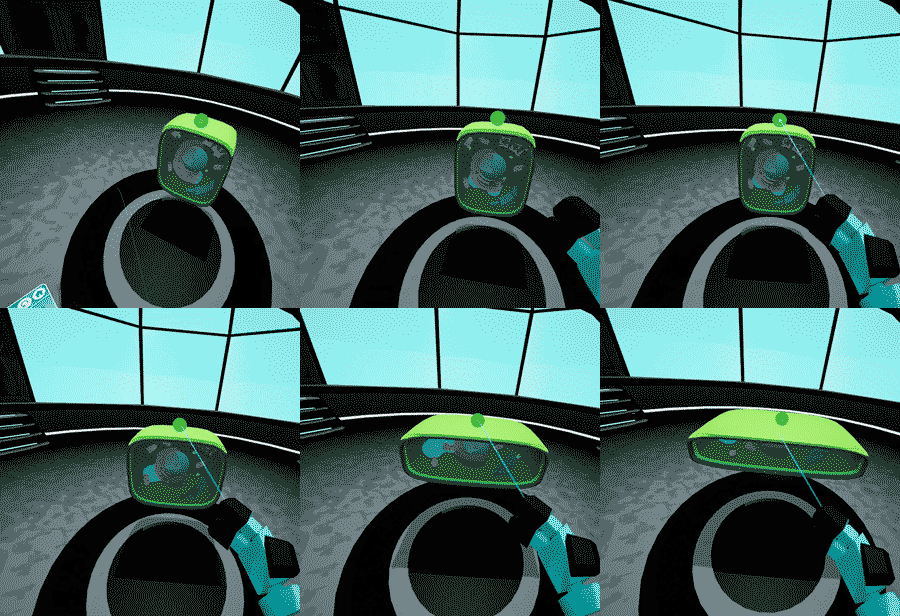
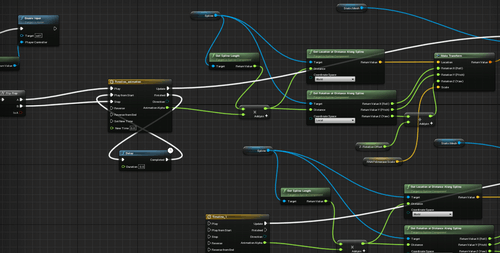
- Blueprint Scripting: Using the Unreal Engine Blueprint system, I built functional prototypes for the VR tools and UIs that students used to navigate the cell.
- Instructional Design: I worked closely with researchers to iteratively design interactions that weren't just "cool," but instructionally sound, ensuring every movement in the VR space reinforced a biological concept.
The Intersection of Science and Design
"Looking Inside Cells" required a deep commitment to human-centric design. By focusing on performance optimization and computer graphics, I helped create a world where students could stop "looking" at biology and start "experiencing" it. This project reinforced my belief that when we make the invisible tangible, we unlock a deeper capacity for curiosity and learning.