The Architecture of Trust: Designing a Digital Sanctuary
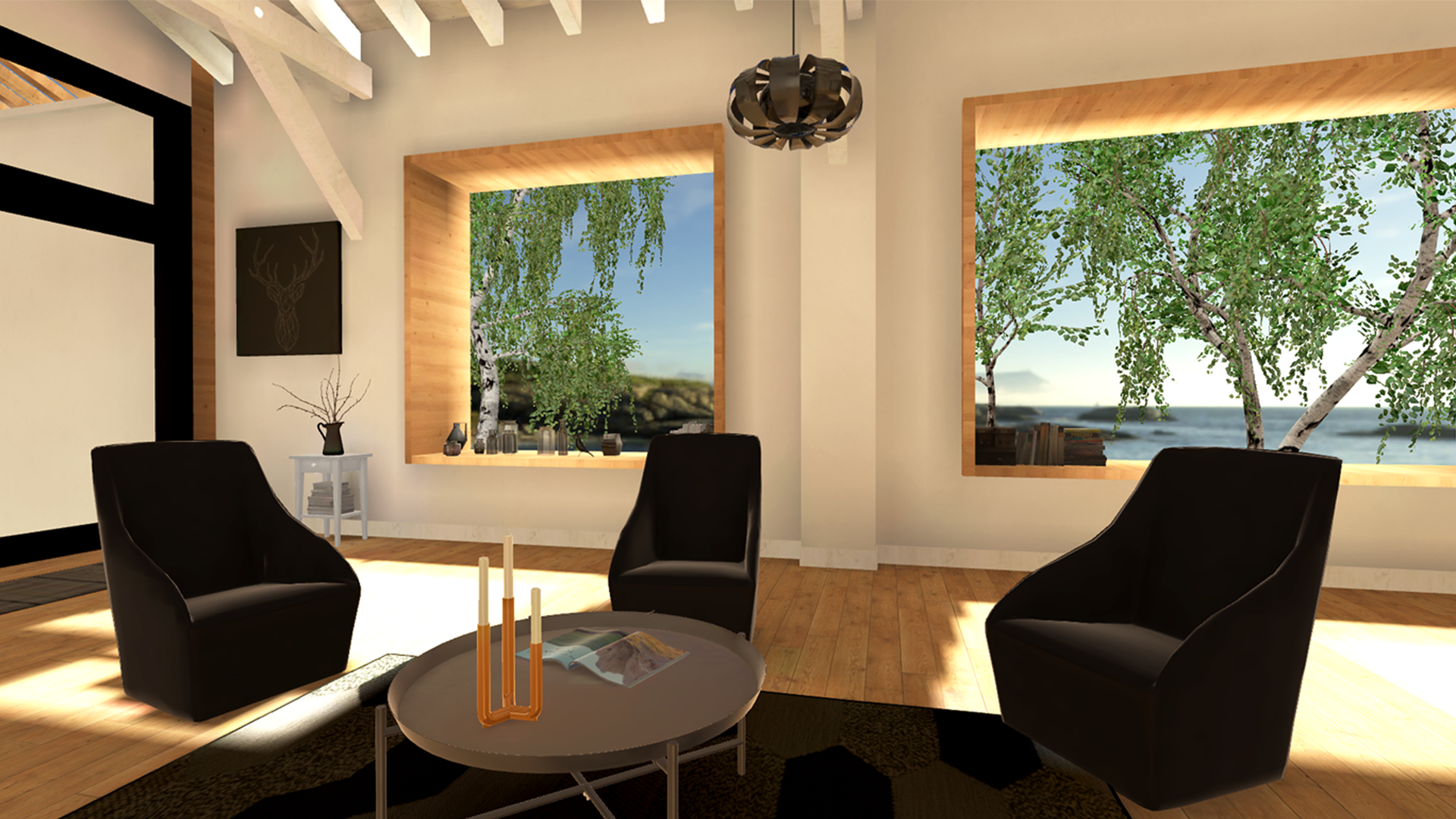
In a therapy setting, the environment is also a part of the healing. I approached the design of the virtual rooms through the lens of environmental psychology, focusing on elements that promote an atmosphere of calm.
- Palette & Materials: I moved away from sterile, "tech-heavy" aesthetics in favor of warm colors and earthy materials like wood.
- Atmospheric Lighting: I engineered the lighting to feel soft and inviting, avoiding harsh shadows to ensure the space felt open yet intimate.
- Spatial Layout: The layout was constructed to promote a sense of groundedness, providing enough space for group connection without making the user feel exposed or overwhelmed.
Avatars as a Shield: Balancing Anonymity and Expression
One of the most critical aspects of group therapy is the user's sense of safety in disclosing to others. I led a research phase into avatar representations, studying the spectrum from hyper-realistic to highly stylized forms and what emotions they evoked.
- The Findings: My research showed that while realism can be impressive, stylized avatars often provide a higher degree of psychological "ease" and anonymity.
- Anonymity: I developed a customization system that allowed users to tailor their appearance. This granted them a level of digital "masking" that acted as a shield, making them feel safer and more comfortable during vulnerable group interactions.
Bridging the Experience: Technical Implementation & Collaboration
My work extended beyond the aesthetic into the functional to ensure the user's journey was seamless from the moment they put on the headset.
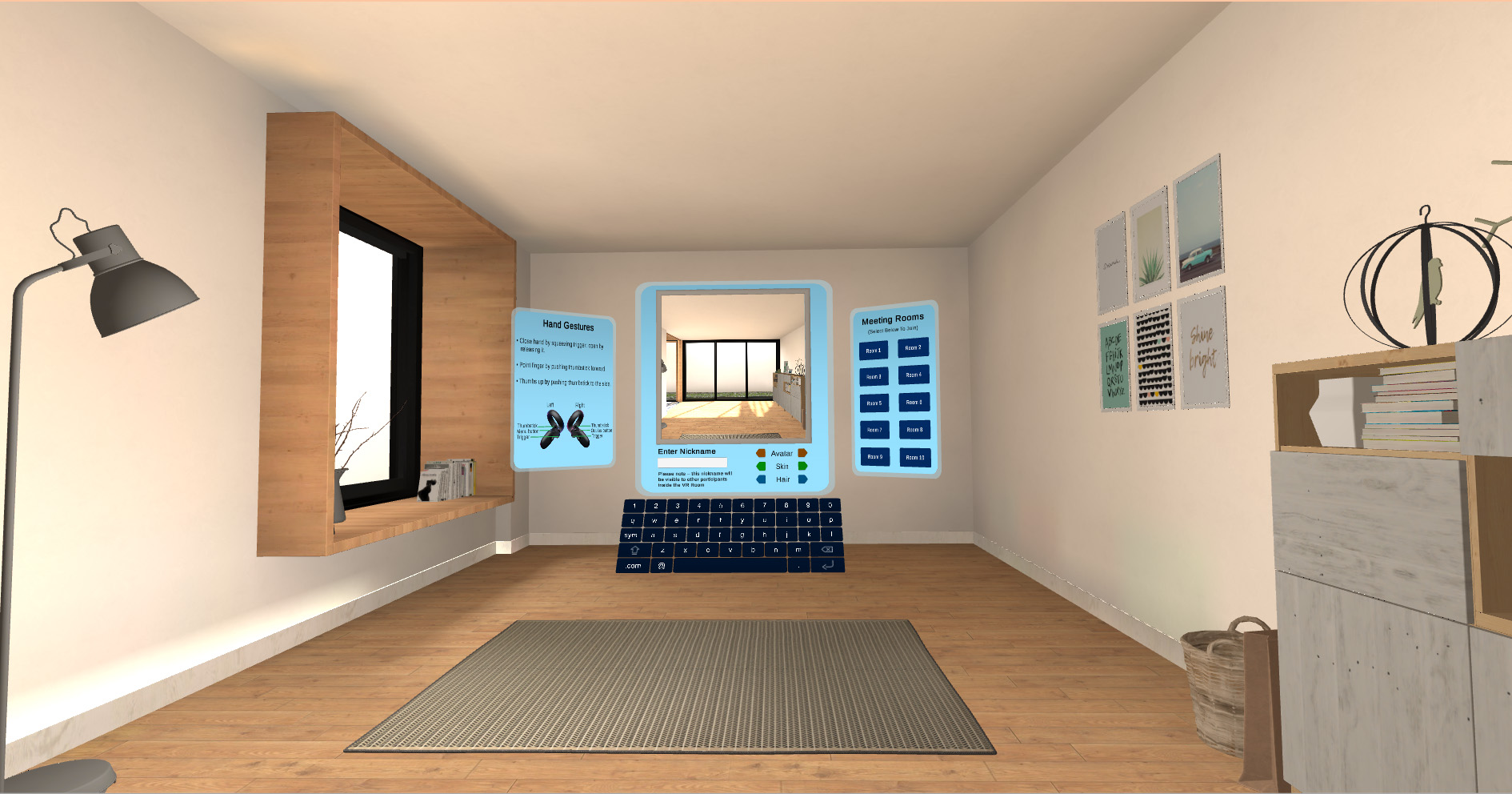
- UI/UX System Design: I built the UI systems for both the Avatar Selection and the Room Selection modules. The goal was to make the process of entering a therapy session feel as frictionless and calming as the session itself.
- Cross-Functional Delivery: I collaborated closely with a team of product designers and engineers to ensure the 3D assets, shaders, and UI elements were optimized for performance without sacrificing the "warmth" of the visual style.
Learnings: The Value of "Digital Distance"
- Embodiment is self-expression: This project reinforced my belief that in XR, less can often be more. By intentionally designing for anonymity through stylized avatars, we unlocked a new way for people to connect.
- A humanistic approach to Telehealth: I learned that the "distance" provided by a digital representation doesn't hinder empathy - it often enables it by removing the fear of judgment. In the future of VR therapy, the most powerful tool we can offer a user is a space where they feel truly seen, even when they choose to remain hidden.